
Introduction
Learning new skills can be overwhelming. Whether you are trying to master cooking, coding, digital marketing, or even DIY home projects, jumping straight into complex instructions often leads to confusion and frustration. This is where Step by Step Tutorials become invaluable. By breaking tasks into small, manageable actions, these tutorials help learners grasp concepts quickly and retain information effectively.
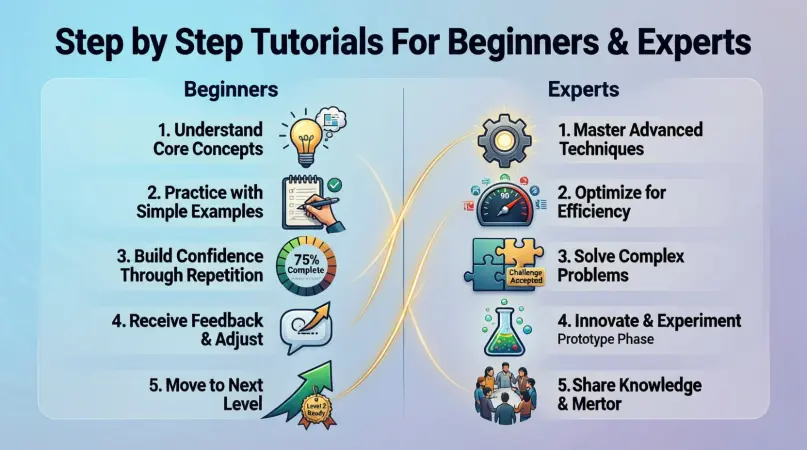
The beauty of step by step tutorials is that they cater to both beginners and intermediate learners. For beginners, they simplify complex ideas and make the learning process less intimidating. For intermediate learners, they offer a structured approach to refine skills and avoid mistakes. These tutorials create a roadmap for success, allowing you to progress logically without missing critical steps.
What is Step by Step Tutorials?
A step by step tutorial is a structured method of teaching or explaining a task by breaking it into sequential actions. Each step builds on the previous one, ensuring learners understand the process fully before moving on. Unlike traditional instructions that may overwhelm you with too much information at once, step by step tutorials provide a clear path.
These tutorials can be in written, visual, or video format. Written tutorials often include numbered lists, bullet points, and examples. Video tutorials visually demonstrate each step, making it easier for learners to follow along. Interactive tutorials even allow you to practice as you go, providing immediate feedback.
The goal is simplicity and clarity. By isolating individual steps, learners can focus on one task at a time, reducing mistakes and improving retention. This method is particularly effective for tasks that involve multiple stages, like coding a website, assembling furniture, or learning a new recipe.
In short, step by step tutorials are a roadmap to mastering any skill efficiently. They provide guidance, clarity, and a systematic approach to learning, making them an essential tool for anyone looking to acquire new abilities.
Why is Step by Step Tutorials Important?
Step by step tutorials are crucial for several reasons:
- Simplifies Complex Tasks – Breaking tasks into small, manageable steps prevents confusion and makes learning less intimidating.
- Improves Retention – When information is presented gradually, learners retain knowledge better than when overloaded with instructions.
- Boosts Confidence – Completing each step successfully encourages learners to continue, enhancing motivation and engagement.
- Reduces Errors – Clear guidance ensures that learners are less likely to make mistakes, particularly in technical or hands-on tasks.
- Supports Different Learning Styles – Whether someone learns best visually, audibly, or through practice, step by step tutorials accommodate various preferences.
- Encourages Independent Learning – Learners can follow tutorials at their own pace, allowing them to revisit steps as needed without relying on a teacher or mentor.
In today’s fast-paced digital world, where skills evolve constantly, step by step tutorials offer an efficient and effective way to learn new tools, techniques, and processes. They are not just for beginners; even seasoned professionals benefit from structured guidance when tackling new challenges.
Detailed Step-by-Step Guide
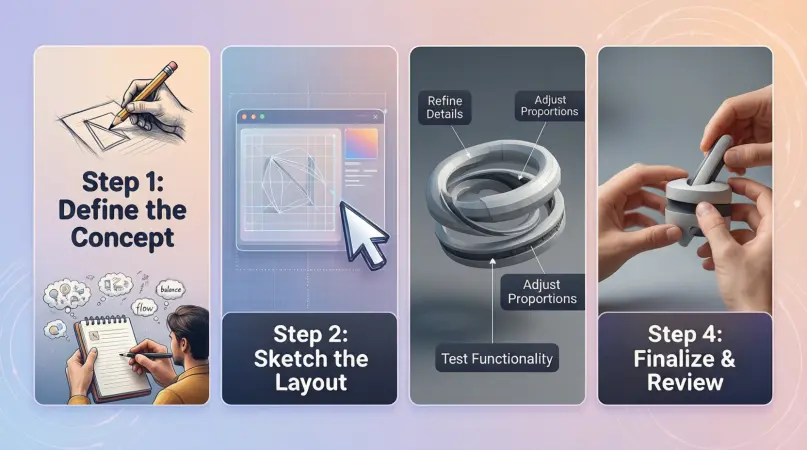
Creating or following an effective step by step tutorial requires careful planning and execution. Here’s a detailed guide to get started.
Step 1: Define the Goal
Before starting a tutorial, identify what you aim to achieve. Are you learning a skill, completing a project, or solving a problem? Clearly defining the goal ensures the tutorial is focused and relevant.
Example: If your goal is to bake a chocolate cake, the tutorial should cover everything from preparing ingredients to baking and decorating the cake.
Step 2: Break the Task into Steps
Divide the task into smaller, manageable steps. Each step should represent a single action or decision point. Avoid combining multiple actions in one step, as it can confuse learners.
Example:
- Step 1: Preheat the oven to 350°F (175°C)
- Step 2: Mix dry ingredients (flour, cocoa powder, baking powder)
- Step 3: Beat eggs and sugar until fluffy
Step 3: Arrange Steps Sequentially
The order of steps is crucial. Ensure that each step naturally follows the previous one. Logical sequencing prevents errors and reduces the need to backtrack.
Step 4: Use Clear and Simple Language
Write each step in clear, concise language. Avoid jargon or technical terms unless necessary. If technical terms are needed, explain them briefly.
Example: Instead of saying “incorporate the ingredients,” say “mix the dry ingredients with the wet ingredients slowly until smooth.”
Step 5: Add Examples or Visuals
Examples and visuals improve understanding and engagement. Screenshots, diagrams, or videos can show what each step looks like in practice.
Example: A screenshot showing the batter’s consistency can help learners know if they are on the right track.
Step 6: Include Tips and Warnings
Provide helpful tips to make the process easier and warnings to prevent common mistakes. This adds value and ensures learners avoid pitfalls.
Example: Tip – “Use room temperature eggs for better mixing.” Warning – “Do not overmix the batter; it will become dense.”
Step 7: Test Your Tutorial
If you are creating a tutorial, test it yourself or ask someone else to follow it. This ensures clarity and highlights areas that need improvement.
Step 8: Encourage Practice
Learning is reinforced through practice. Include exercises or challenges for learners to apply the steps independently.
Example: After a coding tutorial, ask learners to modify a small section of code to create a custom feature.
Step 9: Summarize and Review
End the tutorial with a summary of key points and the outcome learners should achieve. Reviewing reinforces knowledge and increases retention.
Benefits of Step by Step Tutorials
Following step by step tutorials offers numerous advantages:
- Structured Learning: Provides a clear roadmap, reducing confusion.
- Efficiency: Saves time by guiding learners directly to the solution.
- Accessibility: Suitable for beginners and intermediate learners alike.
- Error Reduction: Clear steps minimize mistakes.
- Confidence Building: Completing steps successfully boosts motivation.
- Versatility: Can be applied to any skill or task.
- Self-Paced Learning: Learners can progress at their own speed.
These benefits make step by step tutorials an essential tool for personal growth, professional development, and skill acquisition.
Disadvantages / Risks
While effective, step by step tutorials have some drawbacks:
- Over-reliance: Learners may depend too much on tutorials and avoid critical thinking.
- Limited Creativity: Strict instructions may discourage experimenting or exploring alternative methods.
- Outdated Information: Tutorials may become outdated, especially for technology-related tasks.
- Incomplete Guidance: Poorly designed tutorials can omit critical steps, leading to mistakes.
- Frustration: If a step is unclear, learners can become stuck and lose motivation.
Being aware of these risks helps learners approach tutorials strategically and maximize their benefits.
Common Mistakes to Avoid
When using or creating step by step tutorials, avoid these common errors:
- Skipping Steps: Omitting steps can confuse learners and cause mistakes.
- Using Complex Language: Avoid jargon unless necessary; simplicity is key.
- Poor Sequencing: Steps must follow a logical order.
- Lack of Examples: Without examples or visuals, instructions may be unclear.
- Neglecting Testing: Unverified tutorials can mislead learners.
- Overloading Information: Too much detail at once can overwhelm beginners.
By being mindful of these mistakes, tutorials can remain clear, effective, and beginner-friendly.
FAQs About Step by Step Tutorials
1. Who can benefit from step by step tutorials?
Anyone learning a new skill can benefit, especially beginners and intermediate learners. Professionals can also use them to tackle new tools or projects efficiently.
2. Are step by step tutorials only for beginners?
No. While they are excellent for beginners, intermediate and even advanced learners can use them to refine skills and learn complex processes in a structured manner.
3. What formats can step by step tutorials take?
They can be written guides, videos, infographics, or interactive tutorials. The key is clarity and sequential organization.
4. How do I create a good step by step tutorial?
Start by defining your goal, breaking the task into sequential steps, using simple language, adding visuals or examples, testing the tutorial, and summarizing key points.
5. Can step by step tutorials improve learning efficiency?
Yes. They reduce confusion, prevent errors, and allow learners to focus on one task at a time, making the learning process faster and more effective.
6. How do I avoid becoming too dependent on tutorials?
Use tutorials as a guide, but practice independently. Experiment with variations and try to solve problems without step by step instructions to strengthen problem-solving skills.
7. What is the difference between a tutorial and a guide?
A tutorial breaks down tasks into actionable steps, often with examples. A guide may provide information but not necessarily stepwise instructions.
8. How do I know if a tutorial is reliable?
Check if it is clear, tested, and structured logically. Reviews and feedback from other learners can also indicate reliability.
Expert Tips & Bonus Points
- Keep it Simple: Less is often more. Focus on clarity rather than overloading with information.
- Use Visuals: Screenshots, diagrams, and videos can make complex steps easier to follow.
- Engage the Learner: Include mini challenges or exercises after critical steps.
- Update Regularly: Ensure your tutorials reflect the latest methods and tools.
- Feedback Loop: Encourage learners to provide feedback to improve the tutorial.
- Practice Repetition: Encourage repeating steps to build muscle memory and reinforce learning.
- Highlight Key Points: Bold or underline critical instructions for emphasis.
- Time Management: Estimate how long each step should take to help learners plan efficiently.
Bonus Tip: Combine step by step tutorials with cheat sheets or quick-reference guides for faster learning and retention.
Conclusion
Step by step tutorials are a powerful tool for learning and mastering new skills efficiently. By breaking down complex tasks into manageable actions, they simplify the learning process, improve retention, and boost confidence. Whether you are a beginner taking your first steps into a new skill or an intermediate learner refining your abilities, these tutorials provide structure, clarity, and practical guidance.
While there are some risks, such as over-reliance or outdated information, these can be mitigated by using tutorials as a guide rather than a crutch, practicing independently, and updating resources regularly. By following expert tips, adding visuals, and including practical examples, step by step tutorials can make even the most challenging tasks approachable.