
Introduction
In today’s digital era, having the right software on your PC is more important than ever. Whether you’re a student, professional, gamer, or casual user, the tools installed on your computer can make a significant difference in your productivity, entertainment, and overall experience. With countless options available, it can feel overwhelming to choose the right software for your PC. Some programs promise speed and efficiency, while others focus on creativity or security. Understanding what works best for your needs is essential to avoid wasting time, money, and resources.
The term Best Software For PC often comes up in online searches, and for good reason. People are looking for reliable, efficient, and user-friendly programs that enhance their digital life. From antivirus software to video editing tools, from office productivity suites to gaming optimizers, the right software can transform your PC from a basic machine into a powerful tool. Beginners may find it hard to differentiate between essential and optional software, while intermediate users often seek advanced programs that offer more control and customization.
What is Best Software for PC?
When we talk about the best software for PC, we refer to programs that improve the functionality, performance, or usability of your computer. Software is the digital engine behind your PC, allowing you to perform tasks ranging from simple document editing to complex graphic design.
Software for PC can be categorized into multiple types:
- Productivity Software: Tools like Microsoft Office, LibreOffice, or Google Workspace that help you complete work-related tasks efficiently.
- Security Software: Programs like Norton, Bitdefender, or Malwarebytes designed to protect your computer from viruses, malware, and online threats.
- Creativity Software: Tools for designing, photo editing, video editing, and music production, such as Adobe Photoshop, DaVinci Resolve, or FL Studio.
- Utility Software: Programs that optimize your PC’s performance, such as CCleaner, WinRAR, or system monitoring tools.
- Communication Software: Apps like Zoom, Slack, or Microsoft Teams for connecting and collaborating with others.
Choosing the best software for PC involves considering your needs, system requirements, and budget. Not all programs are created equal; some are lightweight and easy to use, while others are resource-heavy but offer advanced features. Beginners may prefer intuitive software with ready-made templates and guidance, while intermediate users often need flexibility and customization.
Why is Best Software for PC Important?
Having the best software for PC is crucial for several reasons:
- Boosts Productivity: Good software helps you complete tasks faster and more efficiently. For instance, a word processor with templates saves hours of formatting work.
- Enhances Security: Antivirus and firewall software protect sensitive data and prevent malware attacks. This is vital for personal and professional users alike.
- Improves Creativity: Software like video editors and graphic design tools enables users to create high-quality content.
- Optimizes Performance: Utility software ensures your PC runs smoothly, reducing lag, crashes, and errors.
- Supports Communication: Collaboration tools make working with teams easier, even remotely.
Ignoring software quality can lead to poor PC performance, security vulnerabilities, and wasted time. For beginners, installing unnecessary programs can slow down the system, while intermediate users may struggle with outdated or incompatible software. Choosing the right tools ensures your PC meets your expectations and enhances your overall digital experience.
Detailed Step-by-Step Guide
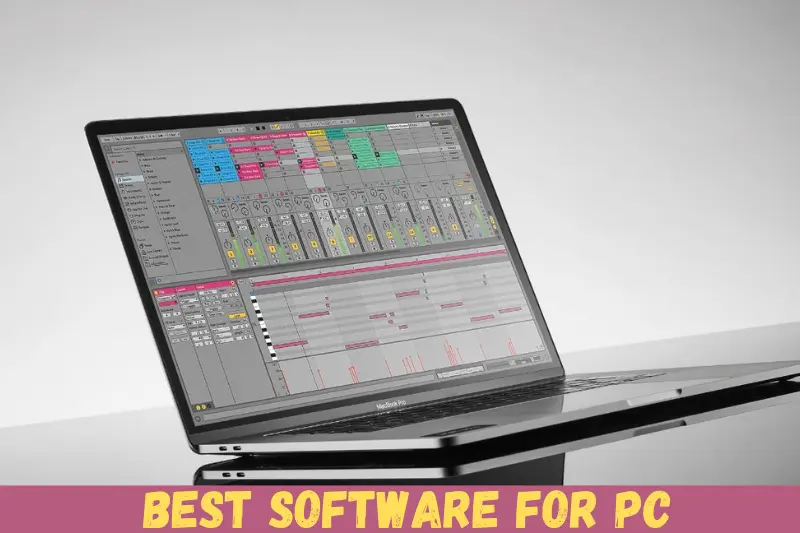
Choosing and using the best software for PC can be simplified by following these steps:
Step 1: Identify Your Needs
Before downloading any program, ask yourself:
- What tasks will I perform most frequently?
- Do I need software for work, study, entertainment, or creativity?
- Am I looking for free or paid solutions?
For example, if your main task is writing documents, office suites like Microsoft Office or LibreOffice are essential. If you’re a gamer, consider performance optimization and graphics drivers.
Step 2: Research Available Options
Search for software that meets your criteria. Check online reviews, ratings, and forums to see what real users say. Look for:
- User-friendliness
- Compatibility with your PC
- Performance impact
- Regular updates and support
Step 3: Verify System Requirements
Before installing, ensure your PC meets the software’s requirements. Installing software that your computer cannot handle may cause crashes, slowdowns, or errors.
Step 4: Download from Trusted Sources
Always download software from official websites or reputable platforms. Avoid pirated or unofficial versions, as these can contain malware or cause system instability.
Step 5: Installation and Setup
Follow installation instructions carefully. During setup:
- Avoid unnecessary add-ons or bundled programs.
- Customize settings according to your preferences.
- Ensure security settings are enabled for antivirus or firewall software.
Step 6: Update Regularly
Most software improves with updates, including bug fixes, security patches, and new features. Regular updates keep your PC secure and your software running smoothly.
Step 7: Optimize and Maintain
Some software, like system optimizers or antivirus tools, requires periodic scans and cleanup. This keeps your PC healthy and prevents unnecessary slowdowns.
Benefits of Best Software for PC
Using high-quality software on your PC offers numerous advantages:
- Efficiency: Complete tasks faster with specialized tools.
- Security: Protects your system and data from cyber threats.
- Enhanced Creativity: Unlock advanced features for design, video, and audio projects.
- Stability: Reduces crashes, errors, and system conflicts.
- Convenience: Automates repetitive tasks, saving time.
- Collaboration: Communication and file-sharing tools improve teamwork.
- Flexibility: Access to multiple software types tailored to your needs.
Disadvantages / Risks
While software is helpful, there are some risks:
- System Overload: Too many programs can slow down your PC.
- Security Risks: Unofficial or pirated software may contain malware.
- Cost: Premium software can be expensive.
- Compatibility Issues: Some programs may not work on older PCs or certain operating systems.
- Learning Curve: Advanced software may require time to learn.
Being aware of these risks helps you make informed choices and maintain a safe, efficient system.
Common Mistakes to Avoid
To get the most from your PC software, avoid these mistakes:
- Installing Too Many Programs: Clutters your system and reduces performance.
- Ignoring Updates: Missing updates can cause security vulnerabilities.
- Downloading from Untrusted Sources: Leads to malware and system issues.
- Not Backing Up Data: Updates or new software can sometimes corrupt files.
- Overlooking System Requirements: Installing heavy software on low-spec PCs causes lag.
- Neglecting Security Software: Opens your system to cyber threats.
- Skipping Tutorials or Guides: Prevents you from using software effectively.
FAQs
1. What is the best software for beginners on PC?
Beginners should start with user-friendly programs like Microsoft Office for productivity, VLC Media Player for media, and Malwarebytes for security. These tools are intuitive and easy to navigate.
2. Are free software options reliable?
Yes, many free programs like LibreOffice, GIMP, and Audacity are reliable. However, always download from official sources and be cautious of added ads or limited features.
3. Can installing multiple programs slow down my PC?
Yes. Installing too many programs consumes storage and memory, leading to slower performance. Regular maintenance and uninstalling unused software can prevent this.
4. How often should I update my software?
Update your software regularly—usually when prompted. Security patches and new features are essential to keep your PC safe and efficient.
5. Is paid software always better than free software?
Not necessarily. Paid software often offers advanced features, better support, and fewer restrictions. However, free software can be sufficient for beginners or basic tasks.
6. What software is essential for PC security?
Essential security software includes antivirus programs like Norton, Bitdefender, or Malwarebytes, along with firewall tools. Regular scans and updates are critical for protection.
7. How do I know if software is compatible with my PC?
Check the system requirements listed on the software’s official website. Consider your operating system, RAM, storage, and processor before installing.
8. Can software improve my PC performance?
Yes. Utilities like CCleaner, Advanced SystemCare, or Windows built-in tools optimize your system, remove junk files, and manage startup programs.
Expert Tips & Bonus Points
- Prioritize Essential Software: Focus on what you truly need rather than installing everything at once.
- Backup Regularly: Use cloud storage or external drives to protect your files.
- Monitor System Performance: Use built-in or third-party tools to track CPU, RAM, and storage usage.
- Learn Shortcuts: Most software has keyboard shortcuts that save time.
- Test Before Committing: Try free trials of paid software before purchasing.
- Use Portable Versions: Portable software can run without installation, reducing system clutter.
- Stay Educated: Keep up with software news, updates, and emerging tools to maintain efficiency.
Conclusion
Choosing the best software for PC is not just about downloading the most popular programs. It’s about selecting tools that fit your needs, protect your system, and enhance your productivity. From beginners who need simple, intuitive programs to intermediate users seeking advanced features, the right software makes a significant difference in your daily computing experience.
By understanding the types of software available, the benefits and risks, and the steps to install and maintain them properly, you can create a PC environment that is secure, fast, and tailored to your tasks. Remember to prioritize essential tools, avoid unnecessary clutter, keep software updated, and use trusted sources for downloads.