
Introduction
Software is now part of almost every task we do, from running businesses to managing personal projects. As we move forward, Software Reviews 2026 have become more important than ever. People are no longer buying software based on ads or brand names alone. Instead, they want real feedback, clear comparisons, and honest opinions before making a decision.
In 2026, the software market is crowded with thousands of tools offering similar features. This makes choosing the right option confusing, especially for beginners and intermediate users. That is where software reviews 2026 play a key role. They help users understand what a tool actually does, how it performs in real situations, and whether it is worth the cost.
What is Software Reviews 2026?
Software reviews 2026 refer to detailed evaluations of software products based on current technology trends, user needs, and market standards. These reviews go beyond basic descriptions and focus on real performance.
They usually cover features, ease of use, pricing, customer support, updates, and security. In 2026, reviews also include insights about automation, cloud access, and integration with other tools.
Unlike older reviews, modern software reviews are more user-focused. They reflect actual experiences instead of promotional claims. This makes them more reliable for decision-making.
Why is Software Reviews 2026 Important?

Software reviews 2026 are important because they reduce uncertainty. Buying or subscribing to software without research can lead to wasted money and poor results.
Reviews help users compare similar tools side by side. They highlight differences that are not always obvious on official websites. This is especially helpful for beginners who may not understand technical terms.
Additionally, reviews build trust. When users see balanced opinions with both pros and cons, they feel more confident. In a fast-changing digital world, updated reviews ensure users stay informed about the latest improvements and issues.
Detailed Step-by-Step Guide
Step 1: Identify Your Needs
Before reading any review, be clear about your goals. Decide what problem the software should solve.
Make a short list of required features. This will help you filter irrelevant reviews and focus on what matters most.
Step 2: Search Reliable Review Sources
Not all reviews are equal. Look for platforms that provide in-depth analysis instead of short opinions.
Reliable software reviews 2026 often include screenshots, use cases, and performance tests. These details add credibility.
Step 3: Read Both Positive and Negative Feedback
Balanced reviews are more trustworthy. Pay attention to repeated complaints or praises.
If multiple users mention the same issue, it is likely a real concern. Similarly, consistent positive feedback shows strong performance.
Step 4: Check Update Frequency
Software changes quickly. Reviews should mention recent updates and support quality.
Outdated reviews may not reflect the current version. Always prefer reviews updated within the last year.
Step 5: Compare Alternatives
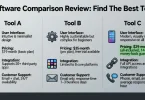
Good software reviews 2026 often suggest alternatives. This allows users to compare pricing, features, and usability.
Comparisons help you choose software that fits your budget and skill level.
Step 6: Make an Informed Decision
After reviewing all information, choose software that matches your needs and expectations.
Avoid rushing. A careful decision leads to better long-term results.
Benefits of Software Reviews 2026
- Save time by avoiding unsuitable software
- Reduce financial risk
- Improve decision confidence
- Learn real-world use cases
- Discover hidden features
- Understand long-term value
Disadvantages / Risks
- Biased or sponsored reviews
- Outdated information
- Overly technical language
- Fake user feedback
- Lack of practical examples
Common Mistakes to Avoid
One common mistake is relying on a single review. Always read multiple opinions to get a balanced view.
Another error is ignoring negative feedback. Even good software has limitations, and knowing them helps set realistic expectations.
Some users also focus only on ratings. High ratings are useful, but detailed explanations matter more.
FAQs
What makes software reviews 2026 different from older reviews?
They focus on modern needs like integration, automation, and security while reflecting current user expectations.
Are free software reviews reliable?
Many are reliable, but users should check for transparency and balanced opinions.
How many reviews should I read before choosing software?
Reading at least five to seven detailed reviews provides a clearer picture.
Can beginners understand professional reviews?
Yes, many software reviews 2026 are written in simple language for wider audiences.
Do reviews replace free trials?
No, reviews guide decisions, but trials help confirm personal suitability.
Are negative reviews always a bad sign?
Not always. They often highlight specific use cases where the software may not fit.
Expert Tips & Bonus Points
Always match reviews with your skill level. What works for experts may not suit beginners.
Look for reviews that explain learning curves and support quality. These factors matter in daily use.
Also, consider long-term scalability. Software reviews 2026 often discuss how tools grow with your needs.
Conclusion
Choosing the right software in today’s digital world is not easy. With countless tools launching every year, users need reliable guidance to make smart decisions. Software reviews 2026 provide that guidance by offering real insights, honest feedback, and practical comparisons.
For beginners, reviews simplify complex information and highlight what truly matters. For intermediate users, they offer deeper analysis and performance details. When used correctly, reviews reduce risks and increase satisfaction.