
Introduction
In today’s digital world, software plays a crucial role in both personal and professional life. From productivity apps to cybersecurity tools, choosing the right software can save time, money, and frustration. However, with countless options available online, it’s easy to feel overwhelmed. This is where Trusted Software Reviews come into play.
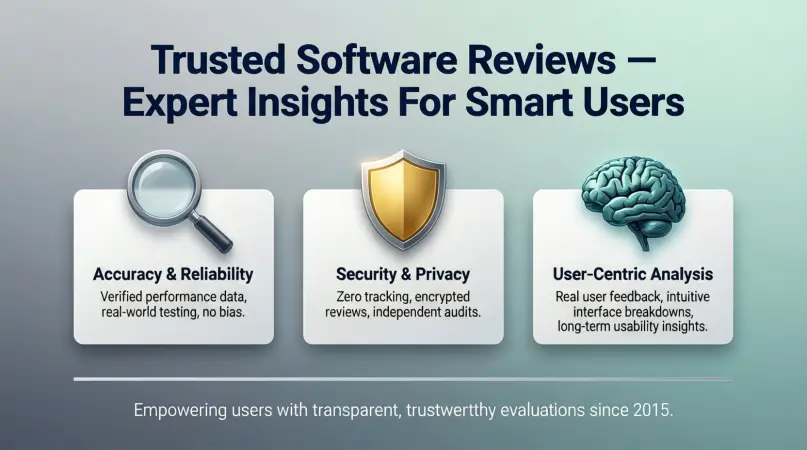
Trusted software reviews provide unbiased insights, helping users make informed decisions before downloading or purchasing any software. They evaluate features, performance, pricing, and reliability, ensuring you pick tools that suit your needs. Whether you’re a beginner exploring basic apps or an intermediate user looking for advanced solutions, understanding these reviews is essential.
What is Trusted Software Reviews?
Trusted software reviews are professional evaluations of software applications, tools, or platforms. These reviews aim to provide an honest, detailed assessment of a product’s usability, features, security, and overall performance. Unlike promotional content from software developers, trusted reviews are unbiased and focus solely on helping users make informed decisions.
A typical trusted software review includes:
- Features Overview: Detailed explanation of what the software can do
- Pros and Cons: Strengths and weaknesses of the tool
- Performance Analysis: Speed, reliability, and efficiency
- Ease of Use: User experience and accessibility
- Pricing Information: Value for money and subscription options
- Comparison with Competitors: How it stacks up against similar tools
Trusted reviews often come from expert reviewers, industry professionals, or user feedback, ensuring credibility and accuracy. By reading multiple trusted software reviews, you can avoid wasting time on poorly designed tools or software that doesn’t meet your needs.
Why is Trusted Software Reviews Important?
Selecting the wrong software can lead to wasted time, poor productivity, security risks, and financial loss. Trusted software reviews are important because they:
- Save Time and Effort – Instead of testing every tool yourself, you get reliable insights quickly.
- Ensure Security – Reviews highlight software vulnerabilities and potential risks.
- Provide Honest Feedback – Real user experiences reveal issues not mentioned in marketing materials.
- Assist in Comparison – Easily compare features, pricing, and performance across similar software.
- Support Informed Decisions – Reduce uncertainty by relying on verified information rather than ads or hype.
For beginners, trusted reviews simplify software selection. For intermediate users, they help identify advanced features or integrations they may not know about. Ultimately, trusted software reviews protect users from bad investments and enhance productivity.
Detailed Step-by-Step Guide to Using Trusted Software Reviews
Step 1: Identify Your Needs
Before reading reviews, define what you need from the software:
- Task or problem you want to solve
- Required features
- Budget constraints
- Preferred platform (Windows, macOS, Android, iOS)
Example: If you need project management software, list requirements such as task tracking, team collaboration, and reporting tools.
Step 2: Find Reliable Review Sources
Not all reviews are trustworthy. Look for:
- Established review websites with professional evaluations
- Expert blogs with detailed comparisons
- User forums with verified feedback
- Avoid reviews that only praise software without mentioning drawbacks
Step 3: Analyze the Features
Check whether the software meets your requirements:
- Compare features across similar tools
- Check integration options with other tools you use
- Evaluate usability for your skill level
Example: A graphic design beginner may prefer software with templates, while an advanced designer needs custom tools and plugins.
Step 4: Consider Performance and Security
Software performance affects your workflow. Key points to check:
- Speed and responsiveness
- System requirements
- Security features like encryption, authentication, or malware protection
Step 5: Review Pricing and Licensing
Understand the pricing model:
- Free vs. paid versions
- Subscription plans vs. one-time purchase
- Hidden costs for add-ons or updates
Step 6: Check User Feedback
User reviews complement expert reviews:
- Look for consistent praise or complaints
- Prioritize reviews from verified users
- Pay attention to recent feedback
Step 7: Compare with Competitors
Compare shortlisted tools side by side:
- Features and functionalities
- Customer support quality
- Performance benchmarks
- Value for money
Example Table:
| Feature | Software A | Software B | Software C |
| Cloud Storage | 10GB | 15GB | 20GB |
| Collaboration Tools | Yes | Yes | No |
| Price | $9/month | $12/month | $15/month |
Step 8: Make an Informed Choice
After analyzing reviews, features, pricing, and user feedback:
- Select the software that best fits your needs
- Test free trials if available
- Reassess after initial use for long-term satisfaction
Benefits of Trusted Software Reviews
- Time-Saving: Quickly identify suitable tools
- Risk Reduction: Avoid low-quality or unsafe software
- Better Investment: Ensure money is spent wisely
- Improved Productivity: Choose software that enhances efficiency
- Informed Decisions: Rely on unbiased information rather than marketing hype
- Access to Expert Insights: Benefit from professional evaluations
Disadvantages / Risks
- Bias in Some Reviews: Paid reviews may favor certain products
- Outdated Information: Software updates may change features or performance
- Overwhelming Choices: Too many reviews can confuse beginners
- Limited Personal Experience: Reviews may not capture every user scenario
- Technical Jargon: Can be hard for beginners to understand
Common Mistakes to Avoid
- Ignoring Verified User Feedback: Only reading professional reviews can miss practical issues
- Focusing Solely on Price: Cheaper options may lack essential features
- Skipping Free Trials: Not testing software before purchase can lead to regret
- Overlooking Security: Choosing software without checking safety can be risky
- Relying on a Single Source: Always compare multiple reviews for accuracy
FAQs About Trusted Software Reviews
1. How do I know if a software review is trustworthy?
Check the reviewer’s credentials, the website’s reputation, and whether multiple users report similar experiences. Avoid reviews that are overly promotional.
2. Can I rely only on expert reviews?
Expert reviews provide professional insights, but user feedback is essential for real-world usability and potential hidden issues.
3. Are free software reviews as reliable as paid ones?
Yes, free reviews can be reliable if from credible sources. Paid reviews may introduce bias, so cross-check information.
4. How often should I check for updated reviews?
Software evolves frequently. Check reviews every 6–12 months, especially for tools critical to your workflow.
5. Can software reviews help prevent malware or scams?
Yes. Trusted reviews highlight security risks, vulnerabilities, and potential scams, helping you avoid unsafe tools.
6. Should I trust user ratings on app stores?
User ratings provide insights but may be manipulated. Focus on detailed reviews, not just star ratings, for better judgment.
7. How do I compare multiple software options effectively?
Create a comparison table with features, pricing, performance, and user feedback to see which tool offers the best value.
8. Are trial versions important?
Absolutely. Trial versions let you test usability, performance, and compatibility before committing financially.
Expert Tips & Bonus Points
- Read Multiple Reviews: Don’t rely on a single source.
- Check Update History: Regular updates indicate active support and improvements.
- Prioritize Essential Features: Avoid software with unnecessary extras that complicate use.
- Test on Your Devices: Ensure compatibility with your system.
- Track Customer Support: Prompt and helpful support is a key factor.
- Keep Notes: Document pros, cons, and personal impressions for reference.
Conclusion
Trusted software reviews are essential tools for anyone navigating the digital landscape. They provide unbiased insights, helping beginners and intermediate users select the right tools without wasting time, money, or effort. By analyzing features, pricing, performance, and security through reliable reviews, you can make informed decisions that enhance productivity and ensure satisfaction.
Always remember to cross-check multiple reviews, test free trials, and consider your unique needs before committing to any software. While there are risks such as outdated or biased information, careful evaluation minimizes these issues. Trusted software reviews not only simplify the decision-making process but also protect you from costly mistakes and security threats.