
Introduction
In today’s fast-paced digital world, knowing how to navigate technology efficiently is more important than ever. Whether it’s learning how to set up software, fix common device issues, or optimize your online presence, tech how to guides make these tasks approachable and manageable. For beginners and intermediate users, the right guidance can save hours of frustration and help you achieve your goals with confidence.
Tech how to guides are essentially detailed instructions that break down complex tasks into simple steps. They are designed to be practical, easy to follow, and adaptable for various devices, platforms, and software. Unlike vague manuals or confusing tutorials, these guides focus on actionable steps and real-world examples.
What is Tech How to Guides?
Tech how to guides are structured instructions designed to help users complete specific tasks related to technology. These tasks can range from setting up a new device, troubleshooting errors, managing software applications, optimizing systems, to understanding basic coding or online tools.
At their core, tech how to guides break down complex concepts into manageable steps, often using plain language and examples. They are typically organized in a sequence that allows users to follow along without prior expertise.
Key characteristics of tech how to guides include:
- Clarity: Instructions are written in simple, easy-to-understand language.
- Step-by-step format: Tasks are divided into sequential steps.
- Practical examples: Real-world scenarios help users understand the process.
- Visual aids: Screenshots, diagrams, and videos are often included to simplify comprehension.
- Actionable tips: Additional advice ensures tasks are completed efficiently and correctly.
For example, a tech how to guide may teach you how to install antivirus software on a computer. The guide would start with system requirements, move to downloading the software, installation steps, configuration, and finally, tips for optimal protection.
In short, tech how to guides are essential tools that bridge the gap between technical complexity and user understanding. They allow beginners and intermediate users to interact confidently with technology without feeling overwhelmed.
Why is Tech How to Guides Important?
Tech how to guides play a critical role in today’s technology-driven world. Here’s why they matter:
- Simplifies Complex Tasks: Many tech tasks seem intimidating at first. Guides break them into manageable steps.
- Saves Time: Users can quickly find solutions without trial-and-error, reducing frustration.
- Boosts Confidence: Following a guide successfully enhances user confidence in handling technology.
- Encourages Self-Learning: Users develop problem-solving skills and gradually require less external help.
- Reduces Errors: Detailed instructions minimize mistakes that could damage devices or data.
- Enhances Productivity: Users can complete tasks efficiently, whether in personal or professional settings.
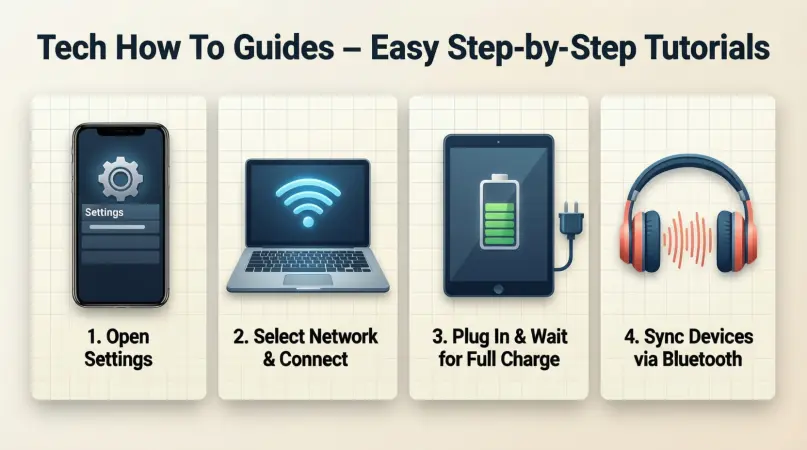
Consider a beginner trying to set up a home network. Without a guide, the user might spend hours reading manuals or watching random videos. A step-by-step tech how to guide provides clear instructions, saving time and effort while ensuring the network functions correctly.
Moreover, these guides are crucial in professional contexts. Businesses rely on tech how to guides for onboarding employees, implementing new software, or maintaining IT systems. A clear guide reduces downtime, training costs, and operational errors.
Overall, tech how to guides empower users to manage technology independently, making them indispensable in both personal and professional life.
Detailed Step-by-Step Guide
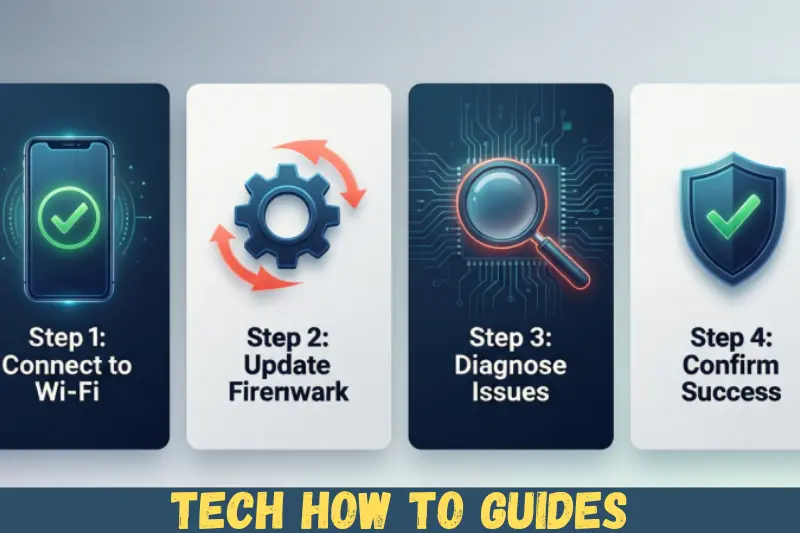
Below, we present a detailed framework for creating and following tech how to guides. These steps are general enough to apply to any tech-related task.
Step 1: Define the Goal
Before starting, identify the task you want to achieve. Clear goals help structure the guide efficiently. For example:
- “Install WordPress on my website”
- “Configure a home Wi-Fi network”
- “Learn basic Python programming”
Step 2: Gather Necessary Tools and Resources
Identify what you need to complete the task:
- Software or applications
- Devices or hardware
- User credentials or accounts
- Reference materials
Having everything prepared before starting prevents interruptions and ensures a smooth process.
Step 3: Break Down the Task
Divide the task into smaller, manageable steps. Each step should be clear and actionable. For example, installing software could include:
- Download the installation file.
- Run the installer.
- Accept the license agreement.
- Choose the installation directory.
- Complete installation and restart the device.
Step 4: Provide Detailed Instructions
Explain each step thoroughly but concisely. Use simple language, short sentences, and examples. Include warnings or precautions if needed. For instance:
- “Ensure you download the installer from the official website to avoid malware.”
Step 5: Include Visual Aids
Images, screenshots, and diagrams improve understanding, especially for beginners. For example, a screenshot showing where to click during installation eliminates confusion.
Step 6: Test the Steps Yourself
Before publishing or using the guide, test each step to ensure it works as intended. Adjust for clarity or common issues that may arise.
Step 7: Add Tips and Troubleshooting
Include common troubleshooting tips to help users overcome obstacles:
- “If the installation fails, check your internet connection or antivirus settings.”
- “Restart your device if the program does not launch.”
Step 8: Summarize the Process
End the guide with a brief summary or checklist, reinforcing the completed steps. This helps users verify they have completed the task successfully.
By following this framework, anyone can create or follow a tech how to guide efficiently and confidently.
Benefits of Tech How to Guides
Tech how to guides offer numerous advantages. Some of the most notable benefits include:
- User Empowerment: Encourages self-reliance in handling technology.
- Time Efficiency: Reduces the learning curve for new tasks.
- Error Reduction: Minimizes mistakes during installation or setup.
- Skill Development: Enhances technical knowledge gradually.
- Accessibility: Makes technology approachable for beginners.
- Problem-Solving: Improves logical thinking and troubleshooting skills.
- Productivity Boost: Enables faster completion of tasks.
- Professional Advantage: Valuable for employees and freelancers managing tech systems.
For example, a beginner following a guide to set up cloud storage learns not only the steps but also gains understanding of storage organization, file management, and security practices.
Disadvantages / Risks
While tech how to guides are valuable, there are some potential drawbacks and risks:
- Outdated Information: Technology evolves quickly, and guides may become obsolete.
- Incomplete Instructions: Poorly written guides may skip crucial steps.
- Overreliance: Users may become dependent on guides without developing independent problem-solving skills.
- Security Risks: Following unofficial guides can expose users to malware or scams.
- Technical Jargon: Some guides assume prior knowledge, confusing beginners.
- Device-Specific Issues: Steps may differ between devices or software versions.
To mitigate these risks, always use reliable, up-to-date guides and double-check instructions before applying them to critical systems.
Common Mistakes to Avoid
Beginners often make the following mistakes when using tech how to guides:
- Skipping Steps: Ignoring instructions can lead to errors or incomplete setup.
- Ignoring Prerequisites: Failing to check system requirements or necessary tools.
- Not Reading the Entire Guide First: Jumping in without understanding the full process can cause mistakes.
- Using Unverified Sources: Downloading software or following instructions from unreliable websites.
- Neglecting Updates: Not keeping software or devices updated, leading to security or compatibility issues.
- Overlooking Troubleshooting Tips: Ignoring common fixes when errors occur.
- Assuming One-Size-Fits-All: Not accounting for differences in devices, operating systems, or versions.
Avoiding these mistakes ensures smoother execution and a better learning experience.
FAQs
1. What makes a tech how to guide effective?
An effective guide is clear, step-by-step, and includes examples or visuals. It should cover prerequisites, common errors, and troubleshooting tips.
2. Can beginners use tech how to guides?
Yes. Guides are designed for beginners and intermediate users. Look for guides that use simple language and provide detailed instructions.
3. How often should I update a tech guide?
Tech guides should be reviewed regularly, ideally every 6–12 months, or when software and hardware updates occur.
4. Are tech how to guides free to use?
Many guides are freely available online, but some professional or premium guides may require payment. Always verify the source.
5. Can guides be used for mobile devices?
Absolutely. Guides are available for desktops, laptops, tablets, and smartphones. Ensure the guide matches your device and operating system.
6. What if a step doesn’t work as described?
Check troubleshooting sections, verify your device or software version, and consult official sources if necessary. Minor differences may exist.
7. How do I know if a guide is reliable?
Look for guides from reputable websites, verified authors, or tech communities. Reviews and user feedback also indicate reliability.
8. Should I follow multiple guides for the same task?
Only if necessary. Sometimes comparing guides can clarify ambiguous steps, but excessive sources may create confusion.
Expert Tips & Bonus Points
- Always Backup Data: Before performing major tech tasks, backup important files to avoid data loss.
- Follow Official Sources: For software installation or device setup, official guides reduce security risks.
- Take Notes: Document steps and tips for future reference.
- Learn Terminology: Understanding basic tech terms improves comprehension and reduces mistakes.
- Stay Updated: Subscribe to newsletters or forums to get updated guides and tips.
- Test Incrementally: For complex tasks, test each step to ensure it works before moving forward.
- Use Visuals: Screenshots and diagrams make the process easier to follow, especially for beginners.
- Ask for Help: Tech communities and forums are excellent resources when guides are unclear.
- Practice Regularly: Applying learned skills frequently improves retention and confidence.
Conclusion
Tech how to guides are essential tools in the modern digital world, bridging the gap between complex technology and user understanding. They empower beginners and intermediate users to navigate devices, software, and online platforms confidently. By providing structured, step-by-step instructions, these guides reduce errors, save time, and foster self-learning.
While there are potential risks such as outdated information or overreliance, these can be mitigated by using verified sources, testing steps carefully, and keeping guides updated. Following expert tips such as backing up data, taking notes, and staying engaged with technology communities enhances the value of these guides.