
Introduction
Technology is everywhere, shaping the way we live, work, and communicate. For beginners, understanding basic tech skills can feel overwhelming. From setting up your first computer to learning simple coding or online tools, the amount of information available online can be confusing. That’s why beginner tech tutorials are essential—they provide structured guidance, clear instructions, and practical exercises to help you build confidence and improve your skills.
Beginner Tech Tutorials cover a wide range of topics, including computer basics, software usage, internet navigation, digital security, and even introductory programming. These tutorials are designed to help learners start small and gradually progress to more complex tasks. With a step-by-step approach, beginners can avoid common mistakes and gain hands-on experience.
What is Beginner Tech Tutorials?
Beginner tech tutorials are educational resources designed to teach fundamental technology skills to newcomers. They provide simplified instructions for performing basic tasks on computers, mobile devices, or software applications. The focus is on helping learners understand concepts without getting overwhelmed by technical jargon.
These tutorials can include:
- Step-by-step guides for software installation
- Basic programming lessons
- Introduction to operating systems like Windows or macOS
- Tips on using productivity tools such as Word, Excel, or Google Docs
- Internet and email navigation tutorials
- Security and privacy best practices
In short, beginner tech tutorials break down complex technology into manageable lessons, making learning easier and more approachable.
Why is Beginner Tech Tutorials Important?
Understanding basic technology skills is no longer optional; it is a necessity. Here’s why beginner tech tutorials are important:
- Builds Confidence: For those new to technology, tutorials provide a safe space to practice without fear of making mistakes.
- Saves Time: Step-by-step instructions reduce trial and error, allowing learners to accomplish tasks efficiently.
- Career Opportunities: Many jobs now require basic digital literacy, and beginner tutorials help individuals meet these requirements.
- Practical Skills: From using spreadsheets to managing files, tutorials teach skills that are useful in everyday life.
- Prevents Mistakes: Learning proper methods from the start avoids errors that can be frustrating and time-consuming.
By investing time in beginner tech tutorials, learners gain a strong foundation that enables them to progress to intermediate and advanced tech skills.
Detailed Step-by-Step Guide
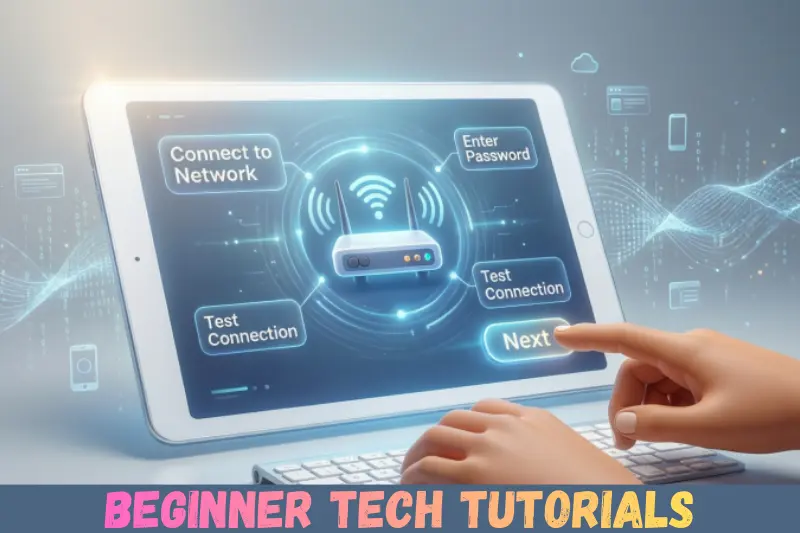
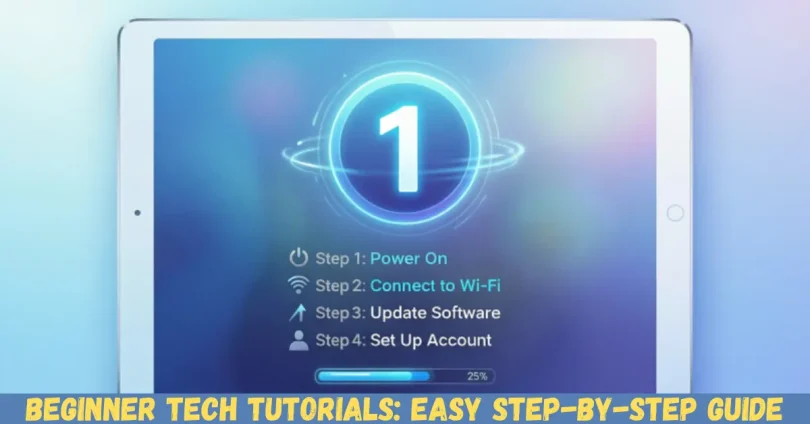
Learning technology can be intimidating, but breaking it into steps makes it manageable. Below is a structured approach for beginners.
Step 1: Learn Computer Basics
Before diving into software or programming, understanding computer basics is essential. Key topics include:
- Identifying hardware components like keyboard, mouse, monitor, and CPU
- Understanding operating systems: Windows, macOS, Linux
- File management: creating, moving, and organizing folders
- Using basic settings and control panels
Example: Try creating a folder named “My Projects” and store sample documents to practice file organization.
Step 2: Introduction to Software and Applications
Once comfortable with hardware, move on to software tutorials. Focus on productivity tools such as:
- Microsoft Word, Excel, PowerPoint
- Google Docs, Sheets, Slides
- Email clients like Gmail or Outlook
Tip: Start with one application at a time and follow beginner-friendly exercises, like writing a document, creating a spreadsheet, or designing a presentation.
Step 3: Internet and Online Tools
Navigating the internet efficiently is a critical skill. Beginner tutorials should cover:
- Using web browsers: Chrome, Firefox, Safari
- Searching effectively using search engines
- Bookmarking and saving resources
- Understanding online safety: avoiding scams, phishing, and malware
Example: Create a list of five reliable websites for learning tutorials and bookmark them for quick access.
Step 4: Basic Coding and Programming
Coding may sound advanced, but beginners can start with simple tutorials:
- HTML & CSS: building basic web pages
- Python: beginner-friendly programming language
- Scratch: visual programming for absolute beginners
Tip: Write a simple program like printing “Hello, World!” to understand coding fundamentals.
Step 5: Digital Security Essentials
Security is often overlooked but crucial. Beginner tutorials should include:
- Creating strong passwords
- Enabling two-factor authentication
- Recognizing suspicious emails or links
- Updating software regularly
Example: Change your email password using a combination of letters, numbers, and symbols.
Step 6: Practice and Real-Life Application
The final step is to practice and apply what you’ve learned. Beginner tech tutorials often suggest:
- Completing small projects: creating a personal webpage, managing a budget in Excel
- Experimenting with different tools
- Asking questions in forums or online communities
Consistency is key. The more you practice, the more confident you become.
Benefits of Beginner Tech Tutorials
Following beginner tech tutorials provides multiple advantages:
- Hands-On Learning: Practical exercises reinforce concepts.
- Step-by-Step Guidance: Clear instructions prevent confusion.
- Boosts Confidence: Tackling tasks successfully builds self-esteem.
- Time-Efficient: Tutorials save time compared to figuring out tasks alone.
- Accessibility: Online tutorials are available anytime, anywhere.
- Skill Growth: Provides a foundation for more advanced tech learning.
Disadvantages / Risks
While beginner tech tutorials are helpful, there are some challenges:
- Quality Variation: Not all tutorials are accurate or up-to-date.
- Overwhelming Information: Too many topics can confuse beginners.
- Incomplete Guidance: Some tutorials skip important steps.
- Dependency: Relying solely on tutorials can limit problem-solving skills.
- Time Investment: Mastery requires consistent practice.
Being aware of these risks helps learners approach tutorials strategically and choose reliable sources.
Common Mistakes to Avoid
Many beginners make avoidable errors when learning technology:
- Skipping Basics: Jumping into advanced topics without understanding fundamentals.
- Ignoring Practice: Reading without hands-on exercises reduces retention.
- Using Outdated Tutorials: Software updates can make older guides irrelevant.
- Not Asking Questions: Hesitation to seek help slows progress.
- Overloading with Tools: Learning too many applications at once leads to confusion.
- Neglecting Security: Failing to apply safety practices online can lead to problems.
Avoiding these mistakes ensures a smoother and more effective learning journey.
FAQs
1. How long does it take to complete beginner tech tutorials?
The duration varies depending on the topic and your learning pace. For basic computer skills, a few weeks of consistent practice may suffice. Programming tutorials may take longer, but starting small ensures gradual progress.
2. Do I need a powerful computer to follow beginner tutorials?
No. Most beginner tech tutorials focus on software that runs on standard devices. A basic laptop or desktop with internet access is usually sufficient.
3. Can I learn tech skills without any prior knowledge?
Absolutely. Beginner tutorials are designed for those with zero prior knowledge. Starting with fundamentals ensures you can follow along and gradually take on more complex tasks.
4. Are free tutorials effective?
Yes, many free tutorials are excellent, especially from reputable platforms. However, always verify the tutorial’s date and accuracy to ensure it aligns with the latest technology.
5. How can I practice coding as a beginner?
Start with small exercises like creating a simple web page or writing basic Python programs. Online code editors allow you to practice without installing software.
6. Is it necessary to follow tutorials step-by-step?
Following tutorials in order is highly recommended. Skipping steps can lead to confusion and misunderstandings, especially for beginners.
7. Can beginner tutorials improve my career prospects?
Yes. Digital literacy is essential in most careers today. Completing beginner tutorials can enhance your resume and prepare you for further tech training.
8. How do I choose the right beginner tutorial?
Look for tutorials with clear instructions, positive reviews, and recent updates. Choose topics relevant to your goals, whether it’s productivity tools, programming, or internet skills.
Expert Tips & Bonus Points
- Set Daily Goals: Allocate 30–60 minutes daily for tech practice to maintain consistency.
- Use Multiple Resources: Combine video tutorials, written guides, and hands-on exercises.
- Join Online Communities: Platforms like forums or tech groups help you solve doubts faster.
- Document Your Learning: Keep notes and screenshots to track progress and revisit lessons.
- Experiment Fearlessly: Try new tools or small projects to strengthen your understanding.
- Stay Updated: Technology evolves quickly, so regularly update your skills and knowledge.
Bonus: After mastering basics, explore intermediate tutorials like Excel macros, web development frameworks, or Python libraries. Gradual progression ensures you don’t feel overwhelmed.
Conclusion
Beginner tech tutorials are invaluable resources for anyone looking to improve their digital literacy. They simplify complex technology concepts into manageable lessons, offering step-by-step guidance, practical exercises, and confidence-building opportunities. Whether you’re a student, professional, or hobbyist, investing time in these tutorials lays a solid foundation for advanced tech skills.
By starting with basic computer operations, learning software applications, navigating the internet safely, and exploring beginner programming, you create a roadmap for lifelong learning. While challenges like outdated tutorials or information overload exist, careful selection of resources, consistent practice, and applying expert tips can overcome them.